
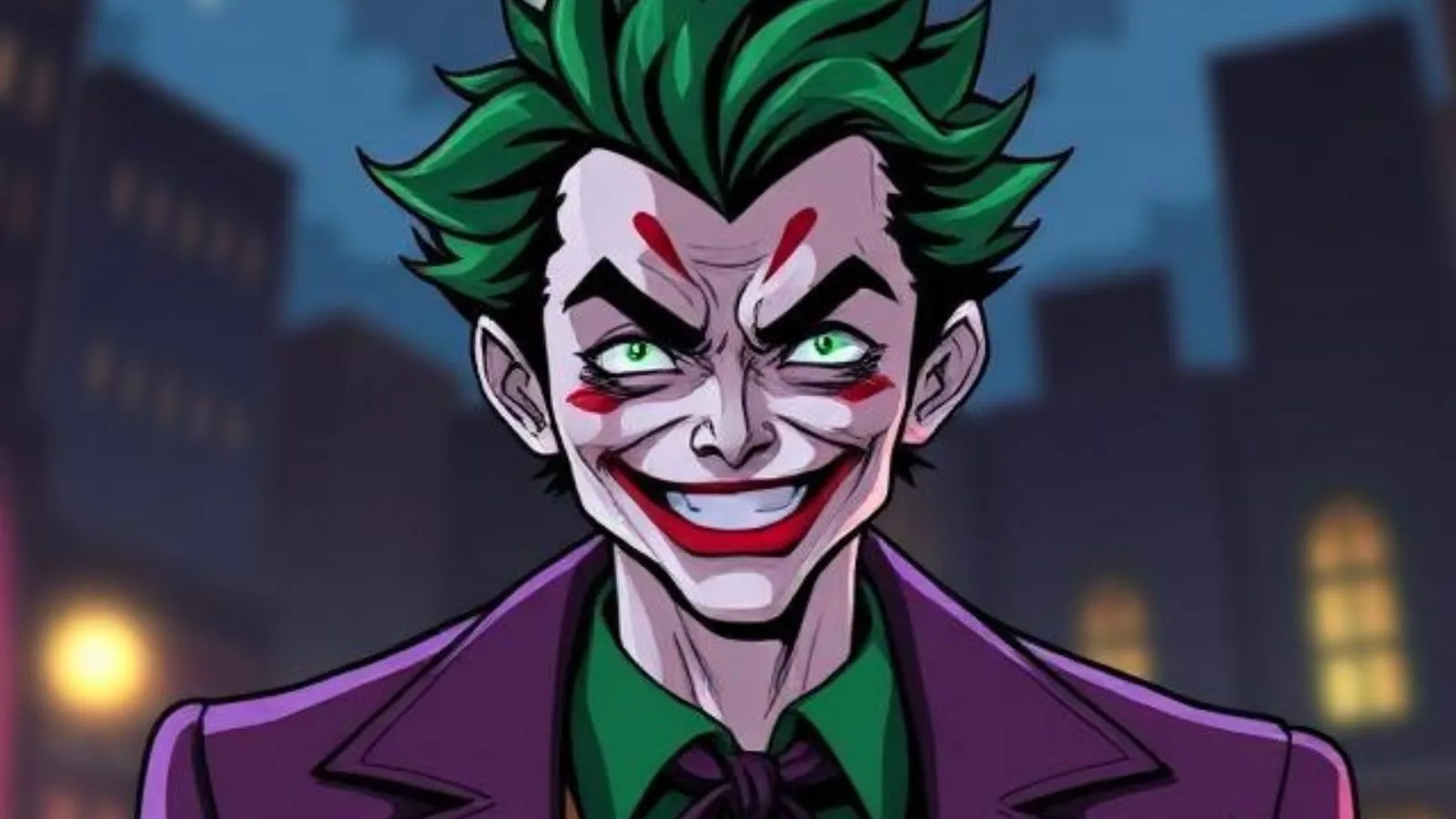
Introduction – Why joker in young justice Feels So Electrically Fascinating
There’s something hauntingly beautiful about chaos wearing a smile.
The appearance of Joker inside Young Justice isn’t just about villainy it’s about psychological tension, narrative maturity, and emotional complexity inside modern superhero storytelling.
Unlike traditional comic portrayals, this version of the Joker carries subtle menace rather than loud theatrical cruelty.
Fans searching for joker in young justice are often curious about character design, dark symbolism, story influence, and how chaos interacts with youthful heroism.
The beauty of this topic lies in contrast.
Where teenage heroes grow, learn, and search for identity, Joker represents controlled madness, unpredictable intellect, and emotional disruption.
He mirrors the shadow side of heroism, especially when standing against characters inspired by justice systems and moral order.
Let’s dive deeply into the hypnotic world of joker in young justice, exploring psychology, storytelling symbolism, fan fascination, and narrative energy.
joker in young justice – The Psychological Portrait of Controlled Madness
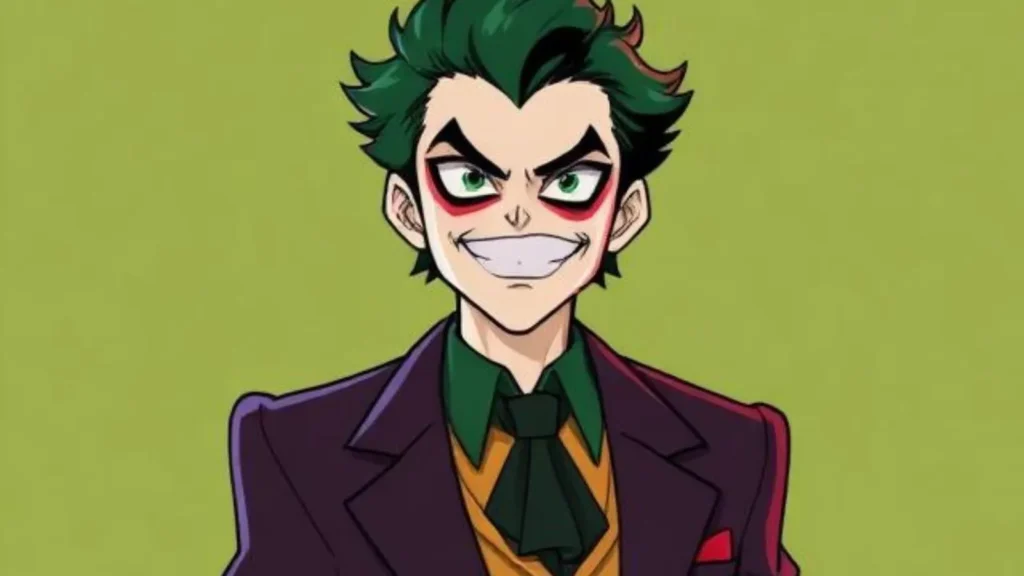
- 🃏 Joker represents chaos philosophy wrapped inside brilliant criminal intelligence and theatrical fear tactics.
- 🧠 His personality reflects cognitive disruption theory in villain psychology narratives.
- 🎭 Unlike loud villain tropes, this Joker prefers quiet psychological dominance.
- 🌑 Darkness in character design enhances emotional tension during screen moments.
- 🔬 Observers notice behavioral manipulation rather than physical aggression.
- 💬 Dialogue style feels calculated, teasing heroes instead of attacking directly.
- ⚡ Fear generation is his primary weapon in social confrontation.
- 👁️ Eye contact symbolism is used to dominate younger heroes emotionally.
- 🎪 Circus-like madness reflects classic villain archetype evolution.
- 🔓 Freedom-from-morality philosophy defines his character motivation.
- 🧩 Strategic unpredictability makes him harder to counter.
- 🔥 Chaos is presented as intellectual entertainment for him.
- 🌫️ Minimalist violence increases psychological horror effect.
- ❤️ Viewers feel discomfort rather than excitement around him.
joker in young justice and The Shadow Relationship With Batman Legacy
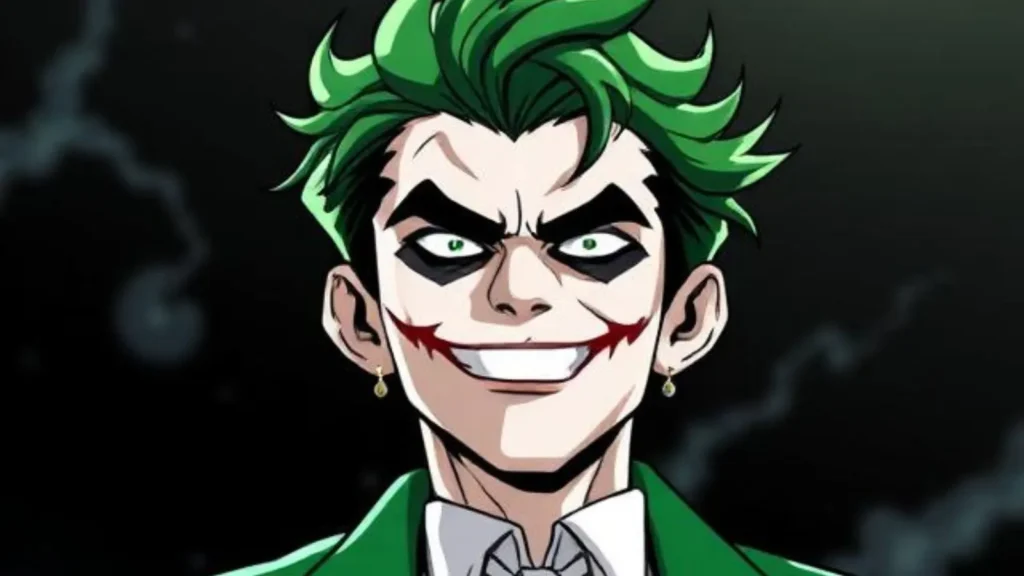
- 🦇 Joker’s identity is built as philosophical opposition to hero justice.
- ⚔️ His existence strengthens heroic morality arcs indirectly.
- 🧩 Crime becomes intellectual chess against vigilante logic.
- 🌒 Darkness contrasts sharply with moral order themes.
- 💡 Hero growth often happens after Joker encounters.
- 🩸 Violence is implied rather than graphically shown.
- 🎯 Emotional trauma becomes storytelling fuel.
- 🧠 Tactical cruelty replaces random brutality.
- 🔎 Detective-style tension defines confrontation scenes.
- 🔄 Hero transformation cycles often follow chaos exposure.
- 🌊 Narrative balance depends on villain presence.
- 🎭 Mask symbolism appears repeatedly.
- ⚠️ Psychological warfare is prioritized over combat.
- 🌟 Legacy conflict drives audience engagement.
joker in young justice Costume and Visual Symbolism
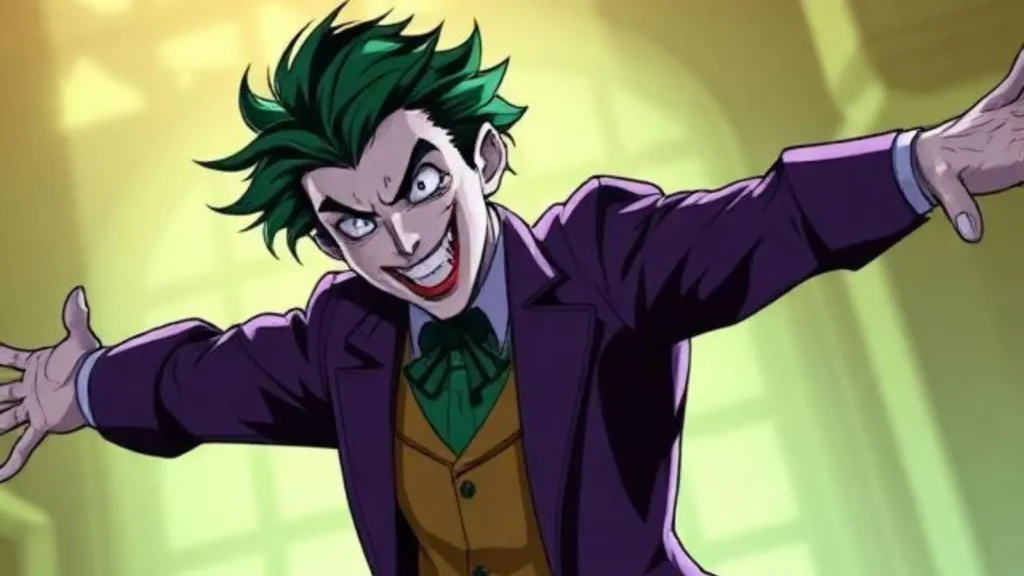
- 💚 Purple-green palette represents insanity elegance.
- 🎨 Sharp facial lines create unsettling charisma.
- 😈 Smile design communicates permanent mockery.
- 🃏 Clothing reflects aristocratic madness theme.
- 🌫️ Lighting shadows enhance mystery effect.
- 👔 Formal chaos style increases villain sophistication.
- 🔥 Color saturation changes mood perception.
- 👁️ Face structure emphasizes psychological dominance.
- 🎪 Circus influence hints at entertainment madness.
- 🧪 Experimental villain design language is used.
- 🌙 Night lighting enhances horror feeling.
- 🎭 Performance villain concept is central.
- 🧠 Visual minimalism supports narrative tension.
- ❤️ Design focuses on fear rather than aggression.
joker in young justice and Youth Hero Emotional Conflict
- 🌱 Young heroes symbolize moral innocence.
- 😈 Joker tests psychological resilience.
- 💔 Emotional vulnerability becomes plot weapon.
- ⚡ Teen hero confidence is challenged.
- 🔥 Identity formation arcs are triggered.
- 🌊 Responsibility pressure appears.
- 🧠 Decision-making maturity is tested.
- 🎯 Leadership anxiety emerges.
- 💬 Dialogue manipulation occurs.
- 🩸 Fear learning happens indirectly.
- 🌑 Dark mentorship theory appears.
- 🌟 Growth after confrontation is shown.
- 🔓 Freedom vs control philosophy conflicts.
- ❤️ Hero heart strength is measured.
joker in young justice Voice Acting Energy and Sound Psychology
- 🎧 Voice tone carries hidden aggression.
- 🗣️ Soft speech increases intimidation.
- 🧊 Slow pacing creates suspense.
- 🔊 Silence becomes storytelling weapon.
- 🌫️ Whisper-like dialogue triggers fear.
- 💡 Pauses increase emotional pressure.
- 🎭 Emotional instability is simulated.
- 🧠 Audience anticipation rises.
- ⚡ Sudden tone shifts shock viewers.
- 🌑 Low frequency voice texture used.
- 🎪 Playful cruelty appears in laughter.
- 😈 Controlled giggling is signature style.
- 🔥 Speech rhythm mirrors mental chaos.
- ❤️ Sonic terror psychology is applied.
joker in young justice Compared to Other Animated Villains
- 🕶️ More psychological than physical villains.
- 🧩 Strategic intelligence is highlighted.
- 🌒 Minimal combat focus.
- 🎭 Theatre-style evil presentation.
- 🔬 Social engineering behavior.
- 💀 Fear economy concept.
- ⚡ Mind game dominance.
- 🌫️ Mystery preservation.
- 🔥 Slow narrative exposure.
- 🧠 High IQ villain portrayal.
- 🎪 Performance-based horror.
- 🌊 Emotional destabilization.
- ❤️ Hero psyche targeting.
- 🌟 Modern villain evolution.
joker in young justice Fan Theory Psychology
- 🔮 Some fans believe Joker represents societal chaos fears.
- 🧠 Others interpret him as anti-order philosophy.
- 💬 Dialogue symbolism is analyzed deeply.
- 🌑 Darkness may represent suppressed trauma.
- 🎭 Comedy hides existential dread.
- ⚡ Laughter reflects social rebellion.
- 🔥 Authority rejection ideology appears.
- 🌫️ Urban anxiety symbolism exists.
- 🧩 Intelligence fear archetype.
- ❤️ Moral ambiguity fascination.
- 🌊 Powerlessness psychology.
- 🎪 Entertainment culture criticism.
- 😈 Chaos attraction phenomenon.
- 🌟 Villain worship psychology.
joker in young justice Narrative Role Inside Team Storylines
- 🦸 Hero teamwork is tested emotionally.
- 🧠 Strategy planning becomes important.
- 💣 Crisis tension increases.
- 🌑 Trust issues emerge.
- 🎭 Hidden attack planning.
- 🔬 Behavioral prediction failure.
- ⚡ Surprise disruption tactics.
- 🌫️ Information warfare.
- 💬 Communication sabotage.
- 🩸 Fear contagion effect.
- 🔥 Leadership challenge.
- 🌊 Team morale pressure.
- ❤️ Emotional bonding tested.
- 🌟 Group survival psychology.
joker in young justice and Modern Audience Emotional Reaction
- 😍 Some viewers admire intelligence.
- 😨 Others feel uncomfortable fear.
- 🧠 Character complexity attracts analysis.
- 💬 Online discussion popularity grows.
- 🌑 Dark aesthetic is trending.
- 🎭 Anti-hero curiosity appears.
- 🔥 Villain charisma effect.
- 🌫️ Mystery marketing power.
- ⚡ Suspense engagement.
- ❤️ Emotional contradiction.
- 🌊 Psychological storytelling appreciation.
- 🎪 Mature animation demand.
- 🧩 Symbolic villain interest.
- 🌟 Cultural impact discussion.
joker in young justice and Chaos Philosophy Representation
- 🔬 Chaos is treated as system weakness.
- 🧠 Order versus disorder theme.
- ⚡ Random behavior illusion.
- 🌒 Existential uncertainty.
- 🎭 Meaning destruction ideology.
- 💀 Fear as social control tool.
- 🔥 Predictability breaking.
- 🌫️ Stability questioning.
- 🧩 Logical paradox creation.
- ❤️ Human vulnerability exposure.
- 🌊 Moral structure testing.
- 🎪 Society mirror symbolism.
- 😈 Freedom extremism.
- 🌟 Narrative philosophy depth.
joker in young justice and Hero Fear Conditioning
- 🧠 Repeated threat exposure.
- ⚡ Trauma memory activation.
- 🌑 Anxiety stimulus.
- 💬 Psychological pressure.
- 🔥 Survival instinct testing.
- 🩸 Combat hesitation creation.
- 🎭 Emotional vulnerability attack.
- 🌫️ Uncertainty generation.
- ❤️ Confidence breaking.
- 🌊 Fear learning curve.
- 🔬 Behavior manipulation.
- 🎪 Terror anticipation.
- 😈 Strategic intimidation.
- 🌟 Hero maturity forcing.
joker in young justice Storytelling Evolution Impact
- 📺 Modern animation maturity trend.
- 🧠 Complex villain demand.
- 🌑 Darker narrative acceptance.
- 🎭 Character depth growth.
- 🔥 Audience intelligence respect.
- 💬 Subtle dialogue writing.
- ⚡ Suspense pacing.
- 🌫️ Emotional realism.
- ❤️ Mature teen hero stories.
- 🌊 Moral ambiguity.
- 🧩 Symbolic confrontation.
- 🎪 Artistic villain portrayal.
- 😈 Chaos character design.
- 🌟 Future animation influence.
13. joker in young justice Cultural Popularity Factors
- 🌍 Global villain recognition.
- 🎭 Iconic smile symbolism.
- 🧠 ntelligence fascination.
- 🔥 Dark charisma.
- 💬 Meme culture influence.
- ⚡ Suspense storytelling.
- 🌑 Anti-hero curiosity.
- 🎪 Performance villain style.
- ❤️ Emotional paradox attraction.
- 🌊 Youth audience interest.
- 🧩 Psychological villain niche.
- 😈 Chaos beauty concept.
- 🌟 Brand storytelling strength.
- 🎨 Animation art evolution.
joker in young justice Future Fan Expectations
- 🔮 Possible deeper psychological arcs.
- 🧠 More strategic villain scenes.
- 🌑 Darker storytelling maturity.
- 🎭 Voice performance enhancement.
- 🔥 Hero trauma exploration.
- 💬 Dialogue sophistication.
- ⚡ Surprise narrative twists.
- 🌫️ Mystery preservation.
- ❤️ Emotional storytelling.
- 🌊 Justice philosophy conflict.
- 🧩 Chaos theory use.
- 🎪 Character legacy expansion.
- 😈 Villain intelligence rise.
- 🌟 Franchise longevity.
FAQ – joker in young justice
1. What makes joker in young justice different from other Joker versions?
The version of Joker inside Young Justice focuses more on psychological intimidation than physical crime. The character is designed to represent modern villain philosophy, where intelligence, emotional manipulation, and strategic fear matter more than action violence. Fans appreciate the subtle horror atmosphere and mature storytelling tone.
2. Why is the Joker in Young Justice more psychologically terrifying?
The fear comes from silence, prediction uncertainty, and behavioral manipulation. Instead of loud villain theatrics, the character uses low-tone dialogue, controlled expression, and suspense building. This mirrors real-world psychological intimidation techniques, making the villain feel closer to reality.
3. Does Joker fight directly with young heroes in the show?
Not often. The narrative usually presents Joker as a mastermind who prefers indirect conflict. He influences events, destabilizes hero confidence, and creates strategic chaos rather than participating in long combat sequences.
4. How does Joker represent chaos philosophy?
Joker symbolizes the idea that absolute order can be fragile. His character challenges moral rigidity by promoting unpredictability, fear-based control, and social structure questioning. This thematic layer adds intellectual depth to the storyline.
5. Why do some fans love joker in young justice?
Fans enjoy the combination of intelligence, mystery, and dark charisma. The character design, voice performance, and psychological tension create emotional engagement. Many viewers find villain complexity more interesting than simple hero-villain fights.
6. Is Joker stronger intellectually than the heroes?
Not necessarily in physical power, but strategically he is portrayed as highly intelligent. His strength lies in manipulation, planning, and understanding human emotional weaknesses rather than combat ability.
7. Will Joker appear more in future seasons?
Future appearances depend on storytelling direction of the creators of Young Justice. Fans expect deeper psychological arcs, but official release decisions remain unknown.
8. What is the symbolic meaning of Joker’s smile?
The smile represents permanent chaos optimism, social mockery, and emotional defiance. It is a visual metaphor showing rejection of moral authority while maintaining theatrical personality presentation.
Conclusion – Emotional Reflection on joker in young justice
The allure of joker in young justice is not about fear alone it is about the beauty of complexity inside darkness.
When chaos speaks softly, intelligence dances inside tension, and heroism grows stronger through psychological storm, storytelling reaches art.
The presence of Joker inside Young Justice reminds us that heroes are not born only from victory, but also from surviving emotional battles.
In the silent echo of chaotic laughter, we discover courage, vulnerability, and the fragile romance between order and madness.