
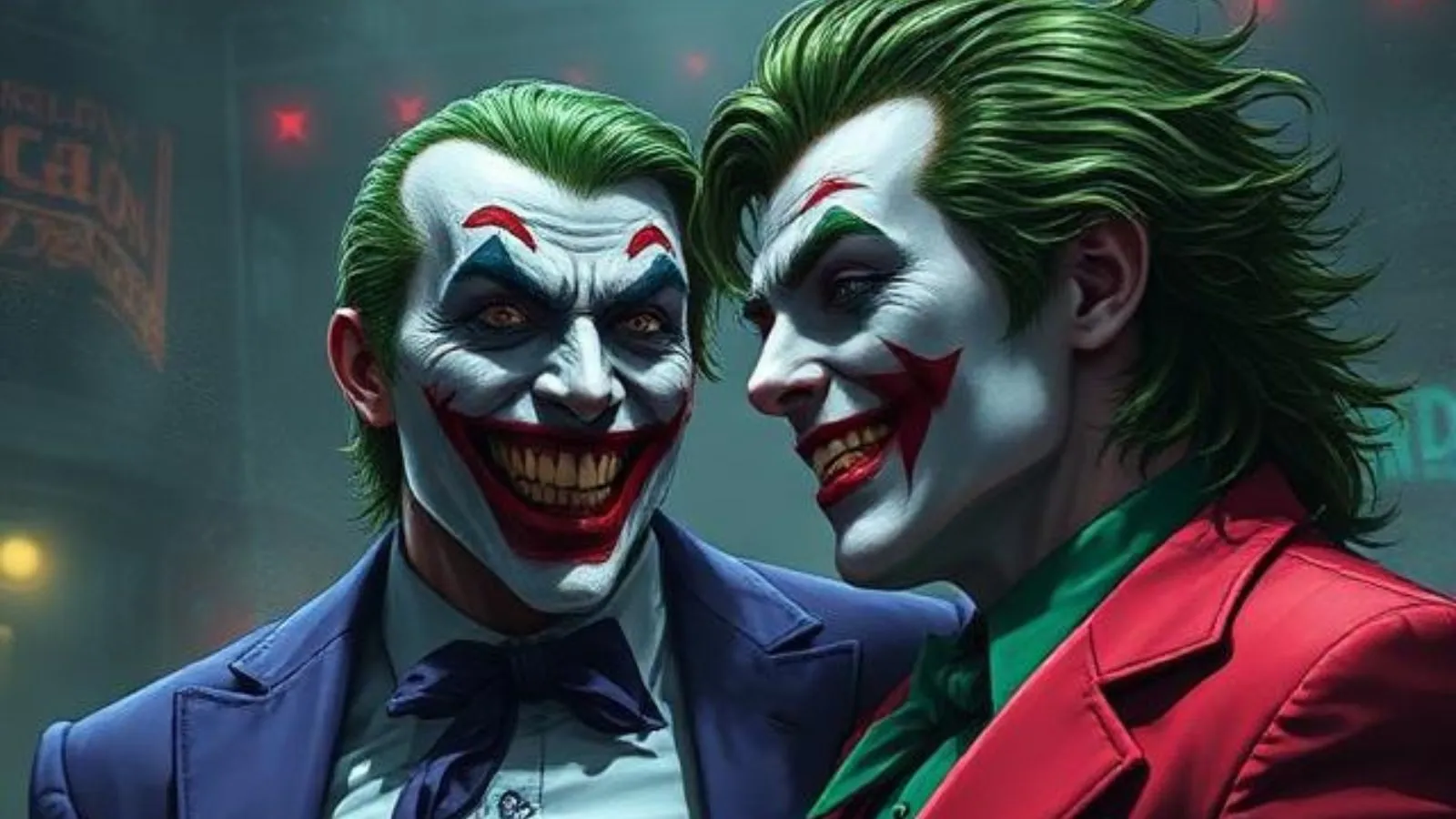
It wasn’t just a comic book moment.
It wasn’t just another tragic page in Gotham’s long, shadowed history.
When Joker kills Jason Todd, something inside readers shifted. A line was crossed. A belief was shattered. And the emotional gravity of the Batman mythos deepened forever.
If you’ve ever searched “why did Joker kill Jason Todd?” or “how did Jason Todd die?”, you’re not just looking for plot details. You’re chasing the feeling that gut punch, that betrayal, that raw ache of watching a son die while a father figure arrives seconds too late.
This wasn’t just violence for shock value. It was a storytelling earthquake that reshaped Batman’s psychology, transformed Jason into Red Hood, and defined the Joker as pure, calculated chaos.
Let’s walk through the heartbreak together layer by layer and truly understand what it means when Joker kills Jason Todd.
When Joker Kills Jason Todd It Redefined Comic Book Brutality Forever
-
💔 The event happened in Batman: A Death in the Family, published by DC Comics, and it shocked readers worldwide.
-
📞 Fans literally voted via telephone to decide Jason’s fate — and by a narrow margin, death won.
-
🧨 The Joker beat Jason with a crowbar before leaving him in a warehouse rigged with explosives.
-
🕰️ Batman arrived seconds too late — a devastating narrative choice that cemented the tragedy.
-
😢 It was one of the first mainstream superhero comics to kill a sidekick permanently (at the time).
-
🧠 The brutality forced comics to grow up — darker themes became more common.
-
🩸 The imagery of the crowbar became iconic, symbolizing cruelty and vulnerability.
-
📚 This storyline elevated emotional stakes across the DC Universe.
-
🎭 The Joker evolved from prankster villain to unhinged sociopath.
-
👨👦 Batman’s failure became a defining trauma in his arc.
-
🔥 It challenged the “heroes always save the day” expectation.
-
📉 Jason’s unpopularity among readers contributed to the vote outcome.
-
🗳️ This interactive storytelling was revolutionary for its time.
-
🌌 The ripple effect still shapes Batman lore decades later.
Why Joker Kills Jason Todd Was More Personal Than Any Other Crime
-
👶 Jason wasn’t just a partner — he was Bruce’s adopted son.
-
🏚️ Jason’s troubled childhood mirrored Bruce’s pain.
-
💣 Joker exploited Jason’s emotional vulnerability about his birth mother.
-
😈 The villain manipulated compassion to orchestrate the trap.
-
👊 The crowbar attack felt intimate, not distant or theatrical.
-
💔 Batman’s guilt became heavier than any physical wound.
-
🧩 It wasn’t random chaos — it was psychologically targeted.
-
🪞 Joker wanted to shatter Batman’s moral code.
-
🛑 Killing Robin proved Joker could strike at Batman’s heart.
-
🕶️ It blurred the line between heroism and failure.
-
🎭 The crime carried emotional symbolism, not just violence.
-
🔥 It exposed Bruce’s fear of failing another child.
-
⚖️ It raised ethical questions about bringing minors into war.
-
🌑 The act turned Gotham darker than ever.
How Joker Kills Jason Todd Changed Batman’s Moral Compass
-
⚖️ Batman refused to kill Joker even after Jason’s death.
-
🧠 This restraint intensified debates about justice vs. vengeance.
-
💢 Bruce internalized rage instead of expressing it.
-
🕳️ His emotional walls grew even taller.
-
🛡️ He became more protective of future Robins.
-
😔 Guilt shaped his mentoring style with Tim Drake and others.
-
📉 His trust in himself diminished.
-
🩶 He questioned whether Robin was a mistake.
-
🧱 Emotional isolation deepened in Gotham’s guardian.
-
🗡️ Joker’s survival created unresolved tension.
-
🎬 Film adaptations echo this unresolved conflict.
-
📚 Writers explored trauma more deeply after this arc.
-
🧒 Bruce feared losing another “son.”
-
🌌 His no-kill rule became both strength and burden.
The Cultural Shockwave After Joker Kills Jason Todd Hit Readers
-
📞 The phone-vote campaign became legendary comic lore.
-
📰 Media outlets covered the controversial death.
-
😳 Parents questioned comic book violence levels.
-
📈 Sales surged because of public curiosity.
-
🎭 Darker antiheroes gained popularity afterward.
-
🧨 The 1980s comic era leaned into realism.
-
🧠 Psychological storytelling became more mainstream.
-
🎥 Animated adaptations revisited the trauma.
-
🖤 Fans still debate the morality decades later.
-
🔄 Jason’s resurrection later reignited discussions.
-
💬 The moment became a pop-culture reference point.
-
🧵 Fan theories continue evolving online.
-
🎮 Video games reference the crowbar incident.
-
🌍 It influenced superhero storytelling globally.
What It Reveals About the Joker When Joker Kills Jason Todd
-
🤡 Joker seeks emotional destruction, not just chaos.
-
🧠 He studies Batman’s psychology deeply.
-
🪓 The crowbar attack shows calculated cruelty.
-
🎭 He enjoys proving morality fragile.
-
🧨 Killing Robin elevated his villain status.
-
💬 He mocks Batman’s code repeatedly.
-
🧩 Joker weaponizes trust and compassion.
-
🕶️ His unpredictability hides strategic planning.
-
🖤 He sees hope as something to extinguish.
-
🔥 He thrives on public spectacle.
-
🎯 He aimed directly at Bruce’s fatherhood.
-
🩸 Violence becomes theatrical messaging.
-
⚡ He proves he cannot be “reformed.”
-
🌑 His legend grew darker permanently.
The Emotional Trauma After Joker Kills Jason Todd
-
😔 Bruce experiences unresolved grief.
-
🪦 Jason’s empty costume in the Batcave becomes symbolic.
-
💭 Flashbacks haunt Batman repeatedly.
-
🧠 PTSD themes surface in later arcs.
-
💔 Alfred mourns like a grandfather.
-
🕯️ Gotham feels colder emotionally.
-
👨👦 Bruce questions his role as mentor.
-
🧒 Future Robins inherit heavy legacy pressure.
-
🩶 Silence replaces earlier partnership energy.
-
🔥 Anger simmers beneath stoic control.
-
🎭 Readers felt genuine grief too.
-
📚 Trauma became canonical character depth.
-
🧱 Emotional barriers hardened further.
-
🌌 Loss became part of Batman’s identity.
How Joker Kills Jason Todd Led to the Rise of Red Hood
-
🔄 Jason was resurrected years later.
-
🧪 The Lazarus Pit restored his life in later continuity.
-
🔫 He returned as the antihero Red Hood.
-
⚖️ Red Hood challenges Batman’s no-kill rule.
-
🩸 His trauma fuels violent methods.
-
🧠 Jason demands accountability from Bruce.
-
🎭 He confronts Joker face-to-face again.
-
🔥 The father-son tension becomes explosive.
-
🧩 Identity shifts from victim to avenger.
-
🕶️ Red Hood walks moral gray lines.
-
💬 He voices fans’ frustration with Batman.
-
📚 Writers explore redemption themes.
-
⚡ His return reopens old wounds.
-
🌑 Death becomes transformation rather than ending.
The Artistic Storytelling Behind Joker Kills Jason Todd
-
🎨 Visual panels emphasized claustrophobic tension.
-
🩸 Minimal dialogue heightened horror.
-
🕰️ Timing of the explosion created suspense.
-
📚 Writers used emotional misdirection masterfully.
-
🎭 Facial expressions carried psychological weight.
-
🔥 Contrast between bright colors and dark theme intensified shock.
-
📖 The pacing felt deliberately relentless.
-
🪞 Symbolism layered throughout the issue.
-
🧠 Internal monologues amplified grief.
-
🎬 Cinematic framing influenced later adaptations.
-
🧩 Narrative risk paid off culturally.
-
🖤 Emotional authenticity resonated.
-
⚡ Bold creative decisions defined legacy.
-
🌌 It became required reading for Batman fans.
Fan Reactions When Joker Kills Jason Todd First Happened
-
😱 Many readers felt betrayed.
-
📞 The narrow vote margin sparked controversy.
-
💬 Letters flooded DC’s offices.
-
🧒 Younger fans were devastated.
-
🖤 Some appreciated the realism.
-
🎭 Debate about morality erupted.
-
📈 Sales proved engagement.
-
🔄 Discussions continue decades later.
-
🧠 It divided fandom passionately.
-
🎥 Adaptations revived the debate.
-
💔 Emotional scars linger among longtime fans.
-
📚 Academic analysis followed years later.
-
🧩 It became comic folklore.
-
🌍 Global audiences discovered darker Batman.
Symbolism Embedded When Joker Kills Jason Todd
-
🪓 The crowbar symbolizes vulnerability.
-
💣 The warehouse represents isolation.
-
⏳ The ticking timer reflects inevitability.
-
🩸 Blood imagery highlights mortality.
-
🧒 Robin costume symbolizes lost innocence.
-
🕶️ Joker’s laughter contrasts tragedy.
-
🌑 Darkness visually consumes panels.
-
🔥 Explosion mirrors emotional detonation.
-
🪞 Broken trust reflects shattered mentorship.
-
⚖️ Justice vs vengeance tension intensifies.
-
🧠 Psychological warfare dominates theme.
-
💬 Silence amplifies grief.
-
🩶 Absence becomes storytelling device.
-
🌌 Loss symbolizes permanent transformation.
How Film and Animation Revisited Joker Kills Jason Todd
-
🎥 The animated film Batman: Under the Red Hood reintroduced the tragedy.
-
🎭 Voice performances deepened emotional layers.
-
🧠 The adaptation explored Jason’s anger vividly.
-
🩸 Visual brutality remained impactful.
-
🎬 Flashbacks preserved the crowbar scene.
-
💔 Batman’s guilt was central theme.
-
🔄 Interactive animated version allowed alternate outcomes.
-
🖤 Fans praised faithful adaptation.
-
⚖️ Moral debate resurfaced strongly.
-
📺 It reached audiences beyond comic readers.
-
🎮 Games referenced the storyline.
-
🔥 Red Hood gained mainstream popularity.
-
🧩 Animation allowed emotional nuance.
-
🌍 Global streaming introduced it to new fans.
The Psychological Study of Trauma After Joker Kills Jason Todd
-
🧠 Batman displays survivor’s guilt symptoms.
-
💔 Complicated grief shapes behavior.
-
🛡️ Hypervigilance increases.
-
🧱 Emotional suppression intensifies.
-
🔄 Avoidance of vulnerability becomes pattern.
-
👨👦 Fear of attachment deepens.
-
⚖️ Moral rigidity strengthens defensively.
-
🖤 Identity fuses with loss.
-
🧒 Jason’s resurrection complicates closure.
-
💬 Confrontation forces emotional reckoning.
-
🔥 Trauma transforms into mission fuel.
-
🧩 Psychological realism enriches narrative.
-
📚 Readers relate to grief themes.
-
🌌 It elevates superhero storytelling to human drama.
Ethical Questions Raised When Joker Kills Jason Todd
-
⚖️ Should sidekicks face lethal danger?
-
🧒 Is mentorship worth potential sacrifice?
-
🛑 Does Batman’s no-kill rule cause harm?
-
🧠 Is vengeance ever justified?
-
💬 Should Joker have been executed?
-
🖤 Is moral absolutism realistic?
-
🔄 Can trauma justify violent retaliation?
-
🧩 Does resurrection cheapen death?
-
📚 What responsibility do writers hold?
-
🎭 Are fans accountable for the vote?
-
🔥 Does tragedy strengthen narrative art?
-
🛡️ Is hope sustainable in Gotham?
-
💔 Can forgiveness coexist with justice?
-
🌌 Is redemption possible after such evil?
Why Joker Kills Jason Todd Still Matters Today
-
🖤 It humanizes Batman deeply.
-
🧠 It proves comics can explore grief authentically.
-
🔥 It created Red Hood’s compelling arc.
-
⚖️ It sustains moral debates among fans.
-
📚 It remains essential Batman canon.
-
🎥 Adaptations keep story alive.
-
🧩 It influences modern superhero writing.
-
💬 It sparks new fan interpretations.
-
🕶️ Joker’s menace remains unmatched.
-
🧒 Robin legacy became heavier yet richer.
-
🌍 It resonates across generations.
-
💔 It reminds us heroes can fail.
-
🛡️ It reinforces the cost of vigilantism.
-
🌌 It ensures the Batman mythos never feels shallow.
Frequently Asked Questions About Joker Kills Jason Todd
1. Why did Joker kill Jason Todd in the comics?
In Batman: A Death in the Family, the Joker manipulated Jason Todd using information about his birth mother. After capturing him, Joker brutally beat Jason with a crowbar and left him in an exploding warehouse. The real-world reason? DC Comics allowed fans to vote on Jason’s fate via phone call. The majority voted for his death. Narratively, it amplified Joker’s cruelty and reshaped Batman’s emotional depth forever.
2. How did Jason Todd come back to life after Joker killed him?
Jason was resurrected years later through a combination of continuity changes and the Lazarus Pit, a mystical resurrection pool in DC lore. His return allowed writers to explore unresolved trauma, anger, and moral conflict. He reemerged as Red Hood, challenging Batman’s strict no-kill code and demanding accountability for letting Joker live.
3. Did Batman ever forgive himself after Joker killed Jason Todd?
Batman never truly forgave himself. Guilt became part of his identity. Even after Jason returned, Bruce struggled emotionally. His protective instincts toward later Robins intensified, and his moral code hardened. The trauma permanently shaped his psychology.
4. Was Jason Todd unpopular before his death?
Yes. Many readers found Jason impulsive and reckless compared to Dick Grayson. His unpopularity contributed to the narrow vote that sealed his fate. Ironically, his death made him far more beloved in retrospect.
5. Is the crowbar scene shown in movies?
Yes. The animated film Batman: Under the Red Hood revisits the crowbar beating in flashbacks. It preserves the emotional intensity while expanding on Jason’s transformation into Red Hood.
6. Why didn’t Batman kill Joker afterward?
Batman’s no-kill rule defines his moral boundary. If he kills Joker, he believes he would lose himself entirely. This ethical rigidity fuels ongoing conflict between him and Jason.
7. Does Jason Todd forgive Batman?
Not fully. Their relationship remains complex. Jason seeks acknowledgment and accountability more than simple forgiveness.
8. Is Joker’s act considered his worst crime?
Many fans consider killing Robin one of Joker’s most personal and devastating crimes because it targeted Batman’s heart rather than Gotham at large.
Conclusion: The Lasting Echo of Joker Kills Jason Todd
When Joker kills Jason Todd, it isn’t just a plot twist. It’s a wound stitched into Gotham’s soul.
It’s the moment innocence died.
The moment Batman failed.
The moment Joker proved he could reach inside a hero’s chest and squeeze.
And yet… from that devastation rose complexity, emotional storytelling, and the unforgettable Red Hood.
Tragedy reshaped legend.
And that’s why, decades later, we still whisper about the night Joker killed Jason Todd — because some stories don’t just entertain us.
They change us.

“Ethan Walker is a passionate writer at Punspoot.com, creating funny puns, witty captions, creative jokes, and engaging wordplay content for readers who love humor and entertainment.”